Custom Fitness Apparel Trends: What Retailers Should Note in 2026?
Article Overview
The fitness industry always buzzes with energy. Custom fitness apparels are at the core of this industry, beyond any doubt. In 2026, buyers are looking for more than standard gym wear; they are looking for pieces that can match their values, unique style and performance requirements.
Due to this shift, retailers and private label sellers can get a lot of opportunities. The global custom apparel market is projected to earn huge profits this year, driven by rise in health-consciousness and the dominance of athleisure. However, it is important to spot key trends early on, to stay ahead in the industry. Find out what savvy retailers need to focus on, to capture this booming segment.
Personalization Takes Centerstage
Today, customization is something that buyers expect and it is not a novelty anymore. Gym-goers look for fitness clothing items that are customized to their workout style, body type and aesthetic preferences. That is why, you can witness a seamless integration of:
- Monogramming,
- Fitness algorithms powered by AI and
- Color-matching.
These days, on-demand customization platforms are on the rise. It is possible for buyers to upload their photos for custom prints. They can also choose moisture-wicking fabrics based on their sport. CrossFitters can choose reinforced, high-abrasion nylon while yoga enthusiasts can opt for buttery-soft modal blends. According to recent studies, a significant percentage of millennials and Gen Z prefer personalized gear and are ready to pay higher premiums for the same.
Sustainable Fabrics Dominate the Scene
The 2026 fitness consumer market is defined by a demand for eco-consciousness. At the moment, climate awareness is at an all-time high. Trends in custom apparels are more about sustainable materials that can perform well without any compromise on the planetary resources.
You can expect bio-based innovations like algae-derived fibers and mycelium leather grown from mushrooms dominating the fashion scene. These are breathable and are able to biodegrade completely while offering the same performance as synthetic fibers. Upcycled denim scraps and recycled ocean plastics are evolving into moisture-wicking base layers. These appeal to a significant percentage of customers who look for sustainable items for themselves.
If you are a retailer, do not ignore these things. Otherwise, your brand is going to lose relevance in the near future. To build trust, you should highlight certifications like GOTS on your product pages. With custom pieces composed of regenerative cotton, you can easily create limited-edition drops that align with the values of eco-conscious athletes.
Rise of Tech-Infused Apparel, for Peak Performance
Smart fabrics are bringing about a major revolution in the custom fitness apparel industry. These are blending variables with clothing, to ensure data-driven workouts. This year, you need to stock gear embedded with advanced sensors that are able to track vitals, recovery and form.
Some of the key innovations include:
- E-textiles with embedded LEDs for visibility during night runs or HIIT glow-ups.
- Thermo-adaptive materials that adjust insulation based on body heat, ideal for custom hoodies or leggings.
- NFC chips for seamless tap-to-pay gym access or personalized coaching apps.
As a retailer, you can integrate these features through modular designs. It is a good idea to inform your customers through blog tutorials or in-store demos. It can help you to drive upsells.
Inclusive Sizing and Adaptive Designs
Keep in mind that you cannot negotiate on the diversity front. The latest custom fitness apparel trends focus on extended sizing from XS to 5XL + and adaptive features for all abilities.
As a progressive retailer, you should promote gender-neutral silhouettes with magnetic closures and adjustable waists that allow easy accessibility. Plus-size athletes look for compressive fabrics that can support performance without restricting. Cropped fits with thumb holes for grip are ideal for those with petite frames.
According to data on the latest trends, inclusive lines are able to improve sales significantly in diverse markets. You can offer 3D body scanning for accurate custom fits. It can satisfy around half of all your consumers.
Bold Aesthetics Meet Functional Fashion
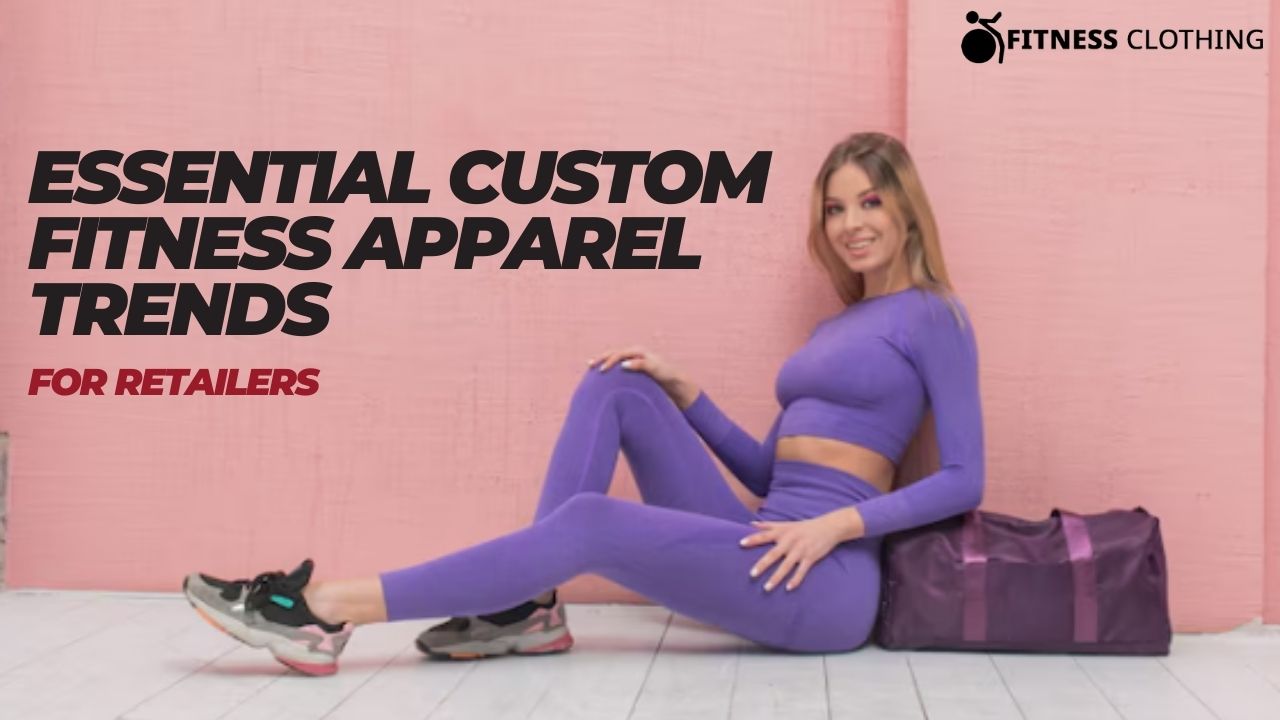
In 2026, the drab black fitness clothing items are not the only options that consumers are compelled to choose for themselves. These are available in vibrant, multi-functional styles today. Buyers can get custom prints featuring:
- Iridescent gradients,
- Metallic sheens, and
- Digital camo patterns that shift with movement
Modern athleisure items blur gym-to-street lines. Thus, you should focus on versatile hybrids such as tanks with convertible straps or joggers doubling as work pants. Fitness influencers with a sizable presence on social media platforms love holographic logos and neon accents.
In 2026, custom fitness apparels are all about sustainability, personalization, inclusivity, tech and style fusion. As a smart retailer, you have to move fast to ensure higher customer loyalty, better margins and greater share in a market that is expanding constantly, every year. Begin your journey in a small way, audit your lineup, try out pop-up custom stations and track the feedback of your consumers. When you evolve with the trends, you can manage to survive and thrive more easily.